
The Atlantic coastline offers a dream landscape for wave riders of every skill level. From legendary point breaks that challenge experts to gentle beach breaks perfect for beginners, this North African gem provides endless variety. Deciding where to surf in morocco requires looking at your personal goals, the current season, and your preferred travel vibe.
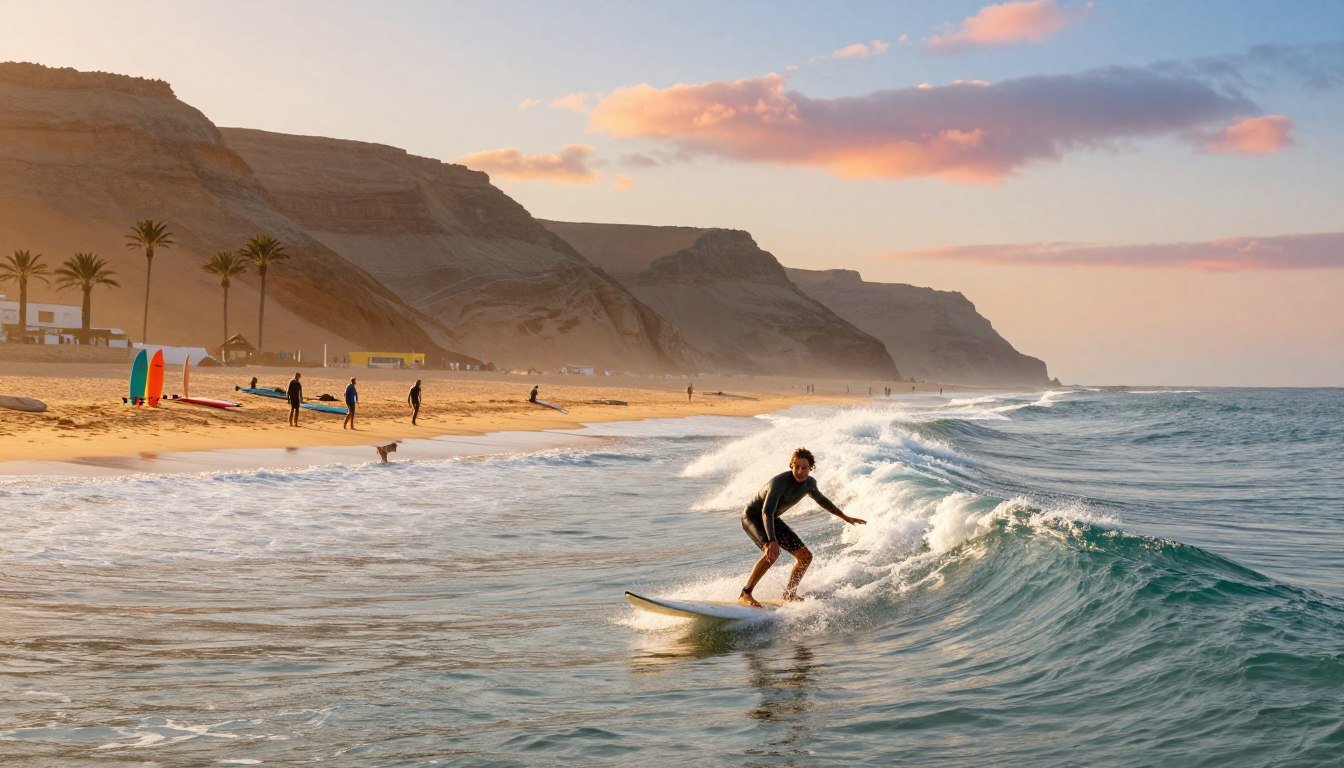
Whether you seek the bustling energy of Taghazout, the long peeling waves of Imsouane, or the remote desert solitude of Dakhla, each region holds a unique charm. You might also explore the historic streets of Essaouira, the heavy barrels near Safi, or the quiet beauty of Mirleft and Sidi Ifni. Choosing the right spot often depends on your transportation needs and whether you want a structured surf camp experience.
Key Takeaways
- Morocco features diverse coastal geography suitable for all experience levels.
- Popular hubs include Taghazout and Imsouane, while Dakhla offers unique desert waves.
- Your choice should align with your specific skill level and seasonal weather patterns.
- Consider booking a surf camp for easier logistics and local guidance.
- Transportation and local atmosphere are vital factors when planning your trip.
Where to surf in morocco: Choosing the right destination
Finding the perfect wave in Morocco starts with understanding the unique geography of its vast Atlantic shoreline. The coast stretches for hundreds of miles, offering a variety of breaks that change significantly as you move from north to south.
Most of the action happens along the central and southern regions. Here, the desert meets the ocean, creating consistent swells that attract surfers from all over the globe.
How Morocco’s Atlantic coast is organized for surfers
The coastline is generally divided into distinct zones, each with its own personality. You will find bustling hubs like Taghazout that serve as the heart of the surf scene, surrounded by a high density of world-class breaks.
Further away from these hubs, the coast becomes more rugged and isolated. These remote areas offer peaceful solitude for those who prefer to escape the crowds and explore untouched beach breaks.
Matching destinations to beginner, intermediate, and advanced skill levels
Choosing a destination should depend on your personal ability rather than just the fame of a specific break. Beginners often thrive in protected bays where the waves are soft and the water is manageable.
Intermediate surfers usually look for consistent point breaks that offer longer rides without the extreme intensity of heavy reef waves. Advanced riders, meanwhile, seek out the powerful, hollow barrels that define Morocco’s reputation as a world-class surfing destination.
Choosing between surf towns, remote beaches, and surf camps
Deciding where to stay is just as important as picking the right beach. Surf towns provide easy access to shops, cafes, and a vibrant social life, making them ideal for solo travelers.
If you want a stress-free experience, booking a surf camp morocco package is often the best choice. These camps provide structured lessons, high-quality equipment, and local guides who know exactly where to find the best conditions each day.
For the adventurous, renting a vehicle to explore remote beaches offers total freedom. However, a surf camp morocco itinerary remains the most efficient way to maximize your time in the water, especially if you are unfamiliar with the local tides and wind patterns.
When to plan a Morocco surfing trip
If you are wondering where to surf in Morocco, the answer often depends on the time of year you choose to visit. The Atlantic coastline experiences distinct seasonal shifts that dictate wave quality and size.
Best months for consistent Atlantic swells
The most reliable period for consistent, high-quality swells runs from late autumn through early spring. During these months, the North Atlantic generates powerful systems that send long-period waves toward the Moroccan shore.
Winter conditions from November through March
Winter is the peak season for experienced surfers seeking heavy, world-class point breaks. You will find the most consistent swell activity during this window, though the water temperature remains cool, usually requiring a 3/2mm wetsuit.
Spring, summer, and fall surf conditions
As the season transitions, the waves become more mellow and manageable. Summer months are ideal for beginners, as the swell size drops significantly, creating perfect conditions for learning in the white water.
How tides, winds, and swell direction affect each coast
Local geography plays a massive role in how waves break on any given day. You should consider these factors when deciding where to surf in Morocco:
- Swell Direction: North-northwest swells are the gold standard for the famous point breaks.
- Wind: Early morning sessions are often best before the afternoon trade winds pick up.
- Tides: Many reef breaks require a specific tide to avoid shallow, dangerous sections.
Reading forecasts for Morocco’s point breaks and beach breaks
Always check reliable surf forecasting sites before heading to the beach. Point breaks are highly sensitive to swell angle, while beach breaks offer more flexibility when the swell is smaller or inconsistent.
Planning around crowds, water temperature, and daylight
Winter brings the largest crowds to popular spots, so consider visiting in the shoulder months of October or April for a quieter experience. Keep in mind that daylight hours are shorter in winter, which limits your time in the water to the middle of the day.
Taghazout and the best surf breaks near Agadir
If you are looking for the ultimate hub for surfing in Morocco, look no further than the vibrant village of Taghazout. Located just a short drive north of Agadir, this former fishing village has transformed into a world-renowned destination for wave seekers.
The area is famous for its high density of quality breaks, making it the perfect base for your coastal adventure. Whether you are a complete beginner or a seasoned pro, the coastline here offers something special for everyone.
Anchor Point for long, powerful right-hand waves
Anchor Point is arguably the most famous wave in the country. It is a legendary point break that produces long, powerful right-handers that can peel for hundreds of meters.
“The rhythm of the Atlantic at Anchor Point is something every surfer should experience at least once in their lifetime.”
Killer Point for experienced surfers and larger swells
Killer Point is designed for those who crave a bit more adrenaline. This spot works best with larger swells and offers a challenging, fast-paced ride that rewards experienced surfers with long, high-performance sections.
Hash Point and Panorama Beach for accessible town surf
If you prefer convenience, Hash Point and Panorama Beach are located right in the heart of the village. These spots are perfect for a quick morning session before grabbing a coffee at a local cafe.
Banana Point and Banana Village for forgiving conditions
For those seeking a more relaxed pace, Banana Point near the village of Aourir is an excellent choice. The waves here are generally more forgiving, making it a fantastic spot for longboarders and those still mastering their technique.
Devil’s Rock, Crocro Beach, and K17 for varied wave levels
The stretch of coast between Taghazout and Agadir is packed with variety. You can find consistent beach breaks at these locations:
- Devil’s Rock: A reliable peak that works well on most tides.
- Crocro Beach: Offers a mix of sand and reef, perfect for intermediate progression.
- K17: A great spot to escape the crowds and find your own rhythm.
Who should stay in Taghazout
Taghazout is ideal for travelers who want to be in the middle of the action. It is perfect for solo travelers, groups of friends, and anyone who wants to immerse themselves in the local surf culture while surfing in Morocco.
What to expect from surf camps, rentals, and local amenities
The village is fully equipped to handle surf tourism. You will find a wide range of options to suit your needs:
- Surf Camps: All-inclusive packages that cover accommodation, meals, and daily transport to the best breaks.
- Rentals: High-quality boards and wetsuits are available at almost every corner.
- Amenities: From cozy cafes to local markets, everything you need is within walking distance.
Imsouane for long rides and a relaxed surf-town atmosphere
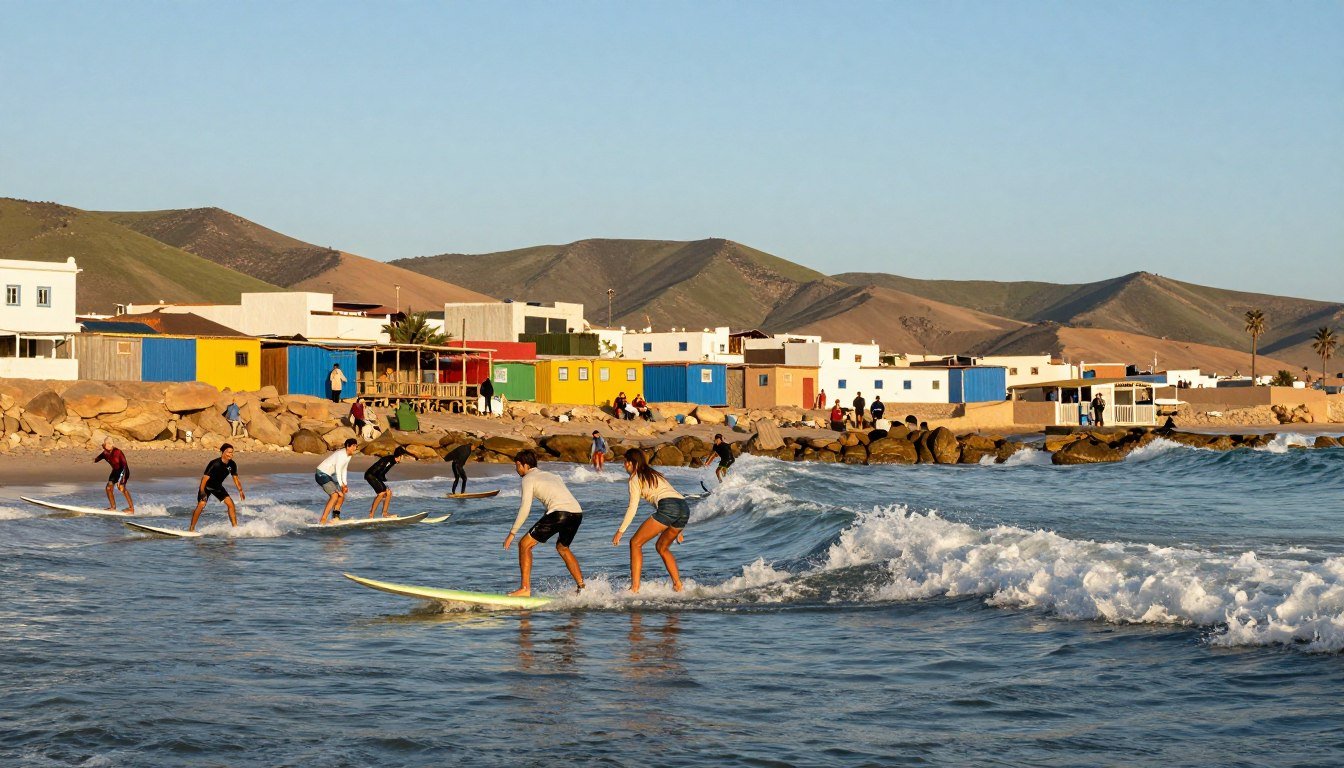
If you want to experience the true magic of a Moroccan fishing village, look no further than Imsouane. This coastal gem is famous for its laid-back rhythm and some of the longest waves in the country. It serves as a perfect sanctuary for those who want to escape the busier hubs and focus entirely on their morocco surf experience.
The Bay for mellow waves and beginner-friendly sessions
The Bay is widely considered one of the best spots in the world for longboarders and beginners. The waves here peel gently for hundreds of meters, allowing riders to practice their stance and turns with ease. It is a forgiving environment where you can build confidence while enjoying the stunning backdrop of the cliffs.
Cathedral Point for longer rides and more experienced surfers
For those seeking a greater challenge, Cathedral Point offers a more powerful and technical ride. This break is better suited for intermediate and advanced surfers who can handle faster sections and steeper take-offs. It provides a thrilling contrast to the mellow nature of The Bay, ensuring that every skill level finds a wave to match their ability.
How Imsouane compares with Taghazout
While Taghazout is the bustling heart of the surf scene, Imsouane offers a much quieter, more intimate atmosphere. Many travelers prefer the village feel of Imsouane, where the pace of life slows down significantly. Choosing the right spot depends on whether you want vibrant nightlife or a peaceful retreat focused on your morocco surf goals.
| Feature | Imsouane | Taghazout |
|---|---|---|
| Atmosphere | Quiet & Relaxed | Bustling & Social |
| Wave Variety | Long, mellow rides | Powerful, diverse breaks |
| Best For | Beginners & Longboarders | All levels & Nightlife |
Best lodging, surf camp, and transportation considerations
Accommodations in Imsouane range from cozy surf hostels to boutique guesthouses overlooking the ocean. Most visitors arrive via shared taxi or private transfer from Agadir, which takes about an hour and a half. Booking a local surf camp is highly recommended, as they provide essential gear and expert knowledge of the changing tides.
Respecting local lineups and preserving the village environment
Maintaining a positive relationship with the local community is vital for any visitor. Always practice respectful lineup etiquette by waiting your turn and being mindful of local surfers who call these waves home. By keeping the beaches clean and supporting local businesses, you help preserve the authentic charm that makes this village a special destination for morocco surf enthusiasts.
Essaouira and Sidi Kaouki for accessible coastal surfing
For those seeking a mix of culture and surf, the stretch between Essaouira and Sidi Kaouki provides an unforgettable experience. This region offers a distinct atmosphere compared to the southern hubs, making it a fantastic choice for travelers who want to balance time in the water with local exploration.
Essaouira Beach for lessons, rentals, and wind sports
Essaouira Beach is a wide, sandy expanse that serves as an ideal playground for beginners. You will find numerous shops offering equipment rentals and professional lessons, making it easy to start your journey. Because of the consistent breeze, the area is also a world-class destination for windsurfing and kitesurfing enthusiasts.
Sidi Kaouki for uncrowded beach breaks and a rural setting
If you prefer a quieter vibe, head just south to the village of Sidi Kaouki. This spot is famous for its uncrowded beach breaks and a laid-back, rural charm that feels worlds away from the city. Many visitors choose a surf camp morocco package here to enjoy a more authentic and peaceful connection with the Atlantic coast.
Why Essaouira’s strong winds can challenge surfers
The very winds that make this area a kitesurfing paradise can sometimes create choppy conditions for traditional surfing. Strong gusts often pick up by midday, which can make the water surface messy and difficult to navigate. Understanding these patterns is key to ensuring you get the most out of your time in the ocean.
Best times of day to look for cleaner waves
To find the cleanest waves, you should aim for early morning sessions before the wind intensifies. The period just after sunrise often provides glassy conditions that are perfect for longboarding. Planning your day around these windows is a hallmark of a well-organized surf camp morocco trip.
Combining surfing with Essaouira’s food, culture, and medina
Beyond the waves, the region is rich in history and flavor. You can spend your afternoons wandering through the blue-and-white alleys of the Essaouira medina or sampling fresh seafood at the harbor. Integrating these cultural experiences into your surf camp morocco itinerary ensures a truly well-rounded Moroccan adventure.
Safi for Morocco’s powerful reef and point breaks
If you are looking to push your limits, the powerful reef breaks of Safi provide a world-class experience. This coastal city is widely recognized for hosting some of the most intense waves for surfing in morocco. It is a destination strictly reserved for those with significant experience in heavy water.
Safi’s famous right-hand wave and why it suits advanced surfers
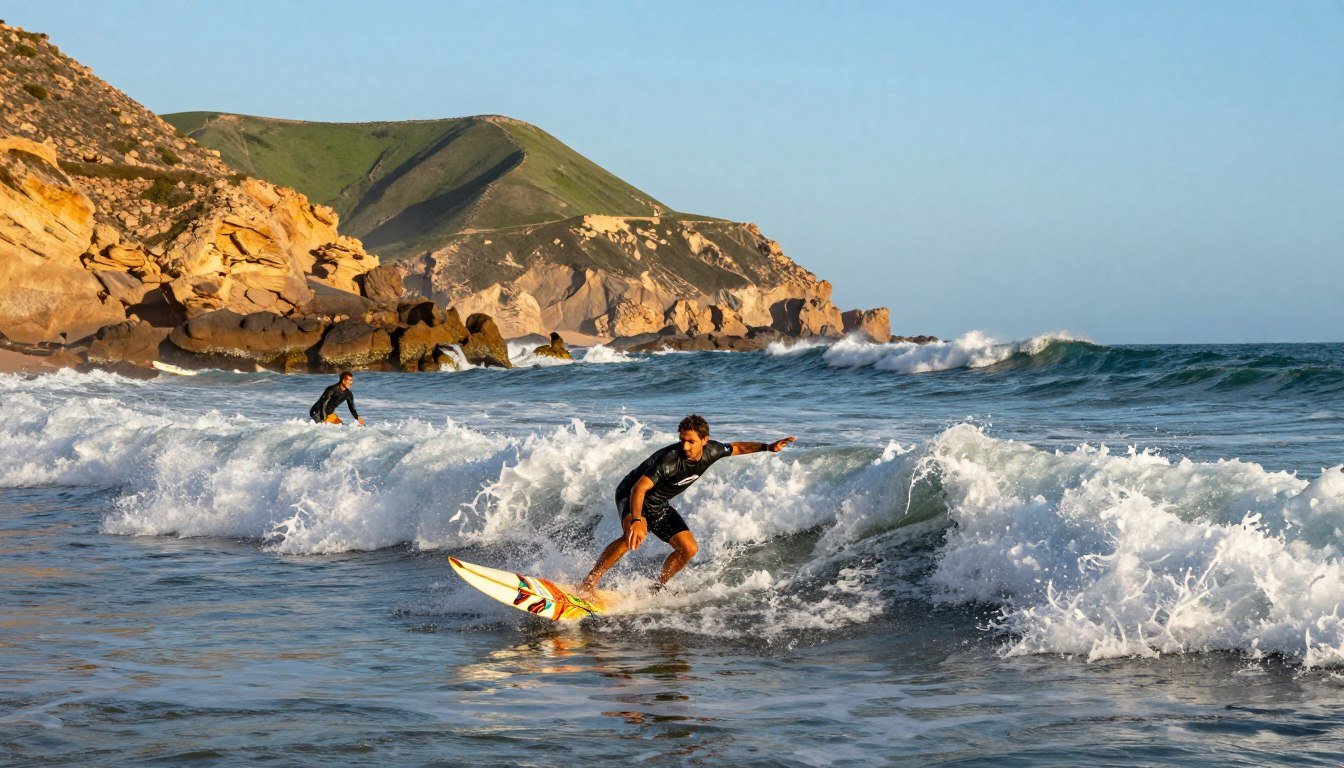
The main attraction here is a legendary, long right-hand point break that produces fast, hollow barrels. When the swell hits the reef just right, the waves offer a ride that rivals the best spots in the world. Precision and speed are essential to navigate these high-performance sections successfully.
How swell size, tide, and local knowledge affect safety
Safety is paramount when tackling the raw power of the Atlantic at this location. Large swells can create dangerous currents, making it vital to understand how the tide influences the reef. Relying on local knowledge is the best way to ensure you stay safe while surfing in morocco.
Finding alternative beaches when the main break is too demanding
On days when the main break becomes too heavy or the wind turns unfavorable, there are nearby options. Exploring the surrounding coastline often reveals smaller, more manageable beach breaks. These spots allow you to keep your skills sharp without the extreme intensity of the primary reef.
When to choose Safi instead of Taghazout or Imsouane
Choose Safi if you are an expert seeking a thrilling, uncrowded challenge that differs from the more social atmosphere of other regions. While Taghazout and Imsouane are fantastic for variety, Safi is the ultimate test for those dedicated to high-performance surfing in morocco.
Local etiquette at crowded and high-performance breaks
Respecting the local lineup is crucial at any high-performance break. Always observe the hierarchy of the waves and wait your turn patiently. Maintaining a friendly attitude goes a long way in ensuring a positive experience for everyone in the water.
| Feature | Safi | Taghazout | Imsouane |
|---|---|---|---|
| Wave Intensity | Very High | Moderate to High | Low to Moderate |
| Skill Level | Advanced/Expert | All Levels | Beginner/Intermediate |
| Crowd Factor | Low | High | Moderate |
| Primary Break | Reef/Point | Point | Long Point |
Mirleft and Sidi Ifni for quieter southern surf trips
Beyond the bustling hubs of the north, the coastline near Mirleft and Sidi Ifni reveals a hidden side of the country. This region is perfect for travelers who want to trade crowded lineups for peaceful, rhythmic swells. Planning a morocco surf trip here means embracing a slower pace of life where the desert meets the Atlantic Ocean.
Legzira and nearby beaches for scenic, uncrowded sessions
Legzira is famous for its massive, natural stone arches that frame the shoreline. Surfing here feels like stepping into a postcard, with golden cliffs towering over the sand. You will often find yourself sharing the waves with only a handful of locals or fellow travelers.
Sidi Ifni’s beach breaks and distinctive coastal setting
Sidi Ifni offers a unique blend of Spanish colonial architecture and traditional Berber culture. The town sits on a cliff overlooking the sea, providing a dramatic backdrop for your daily morocco surf sessions. The beach breaks here are consistent and provide a variety of peaks that work well under different swell conditions.
What intermediate surfers should know about southern Morocco
This area is a playground for intermediate surfers who have moved past the basics but want to avoid the intensity of major surf camps. You can practice your turns and improve your wave selection without the pressure of a packed lineup. Consistency is key, and the southern swells often provide long, clean rides that are ideal for building confidence.
Transportation, supplies, and accommodation outside major surf towns
Venturing this far south requires a bit more preparation than staying in popular tourist centers. Because the infrastructure is more spread out, consider these essential tips for your morocco surf adventure:
- Rent a reliable vehicle: Having your own car is the best way to explore hidden spots between Mirleft and Sidi Ifni.
- Stock up on supplies: While you can find basic groceries, specialized surf gear or specific food items should be purchased in larger cities like Agadir.
- Book accommodation in advance: Options range from charming guesthouses to eco-lodges, but they fill up quickly during peak season.
- Check local conditions: Always chat with local shop owners or experienced surfers to understand the specific hazards of remote beach breaks.
Dakhla for warm-weather surf and desert scenery
Far to the south, Dakhla stands as a hidden gem for those seeking warm-weather adventures and world-class waves. This unique peninsula stretches into the Atlantic, offering a landscape where the Sahara Desert meets the deep blue ocean. It is a perfect choice for anyone looking to elevate their morocco surf experience in a truly remote setting.
Dakhla’s Atlantic surf spots and lagoon-based water activities
The region is famous for its massive lagoon, which provides calm, flat water perfect for beginners and kitesurfing enthusiasts. On the ocean side, you will find consistent Atlantic swells that cater to various skill levels. Whether you want to practice your turns or enjoy a long, mellow ride, the variety here is exceptional.
How Dakhla differs from Morocco’s northern surf coast
Unlike the bustling towns of the north, Dakhla offers a much quieter and more isolated atmosphere. The northern coast is highly developed with surf shops and cafes on every corner, while Dakhla feels like a true wilderness escape. Choosing this destination means prioritizing solitude and raw nature over nightlife and urban convenience.
Choosing Dakhla for surf camps, kitesurfing, or a remote escape
Many travelers visit Dakhla specifically for its world-class kitesurfing conditions, which are among the best on the planet. If you prefer traditional surfing, you can join specialized camps that provide guided access to secret breaks. It is an ideal spot for those who want to disconnect from the world and focus entirely on their passion for the sea.
Wind, water temperature, and equipment considerations
The wind is a constant companion in Dakhla, which is great for kitesurfers but requires careful planning for traditional surfers. The water remains relatively warm year-round, though a light wetsuit is often recommended for longer sessions. You should bring your own gear if you have specific preferences, as rental options are more limited than in the north.
Planning flights, transfers, and organized excursions
Reaching this remote paradise requires a bit more effort, as most visitors fly into Dakhla via Casablanca. Many surf camps offer organized transfers to ensure a smooth arrival at your accommodation. Planning your trip in advance is essential to navigate the logistics of this unique morocco surf destination effectively.
| Feature | Northern Morocco | Dakhla |
|---|---|---|
| Atmosphere | Bustling & Social | Remote & Quiet |
| Primary Sport | Traditional Surfing | Kitesurfing & Surfing |
| Infrastructure | Highly Developed | Eco-Camps & Lodges |
| Landscape | Green & Rocky | Desert & Lagoon |
How to choose a surf camp in Morocco
Selecting the right surf camp Morocco package can turn a good vacation into an unforgettable adventure. With so many coastal towns offering various packages, it is essential to identify what truly matters for your personal growth and enjoyment in the water.
What a quality surf camp should include
A top-tier camp prioritizes safety and professional instruction above all else. You should look for facilities that employ certified instructors who understand the local Atlantic currents and weather patterns.
- Certified surf instructors with lifeguard training.
- Well-maintained, high-quality soft-top and hard-top boards.
- Comprehensive safety briefings before every session.
- Small student-to-instructor ratios for personalized feedback.
Comparing lessons, guiding, equipment, meals, and transportation
When evaluating your options, consider the total value provided by the package. Some camps offer all-inclusive deals that cover airport transfers, daily meals, and guided trips to the best breaks, while others focus strictly on the surf experience.
| Feature | Budget Camp | Premium Camp |
|---|---|---|
| Accommodation | Shared Dorms | Private Suites |
| Meals | Breakfast Only | Full Board |
| Transport | Public/Shared | Private Shuttle |
Choosing a camp by skill level, budget, and preferred town
Your choice should align with your current ability and the type of waves you want to ride. Beginners often thrive in the mellow bays of Imsouane, while intermediate surfers might prefer the consistent point breaks near Taghazout.
Always verify that the camp offers specific coaching tailored to your level. A camp that mixes absolute beginners with advanced surfers in the same group may not provide the focused attention you need to improve.
Questions to ask before booking a surf camp Morocco package
Before finalizing your reservation, reach out to the organizers with a few key questions. Asking about their surf camp Morocco policies ensures there are no surprises upon arrival.
Consider asking: “What is the maximum group size per instructor?” and “How do you determine which surf break we visit each day?” You should also confirm if they provide wetsuits and if those suits are appropriate for the season you are visiting.
When a private guide or independent rental makes more sense
Sometimes, the structure of a camp might feel too rigid for experienced surfers. If you have a specific list of breaks you want to hit, hiring a private guide offers the flexibility to chase the best swell conditions.
Independent rentals are also a great choice if you prefer to explore the coast at your own pace. This approach allows you to stay in different towns and manage your own schedule without being tied to a group itinerary.
Practical tips for surfing in Morocco
Whether you are a seasoned pro or a beginner, knowing the practical side of surfing in Morocco will elevate your experience. Proper preparation ensures you spend more time on the waves and less time worrying about logistics.
What to pack for Atlantic water and changing weather
The Atlantic climate can be deceptive, with warm sun often followed by chilly winds. Pack a mix of light clothing for the day and warm layers for the cooler evenings.
A high-quality sunscreen and a reusable water bottle are essential for long days at the beach. Always keep a dry bag handy to protect your electronics from sand and salt spray.
Surfboard rentals, wetsuits, and bringing personal equipment
Most surf towns offer high-quality rentals if you prefer to travel light. However, bringing your own board is recommended if you have a specific shape you rely on for performance.
A 3/2mm wetsuit is usually sufficient for most of the year. If you plan on visiting during the winter months, consider a 4/3mm suit to stay comfortable during longer sessions.
Local surf etiquette, beach safety, and ocean awareness
Respecting the local lineup is vital when surfing in Morocco. Always observe the local flow, wait your turn, and avoid dropping in on other surfers.
Be mindful of rip currents and changing tides, which can shift rapidly along the coast. If you are unsure about a break, ask local surf instructors for advice before paddling out.
Getting around the coast from airports and major cities
Traveling between coastal towns is relatively straightforward using shared taxis or private transfers. Many surf camps provide shuttle services from Agadir or Essaouira airports to simplify your arrival.
Renting a car offers the most freedom if you plan to explore remote breaks. Ensure you have a valid international driving permit and stay alert on winding coastal roads.
| Category | Recommendation | Notes |
|---|---|---|
| Wetsuit | 3/2mm or 4/3mm | Depends on season |
| Transport | Private Transfer | Best for groups |
| Etiquette | Respect Locals | Always prioritize safety |
| Equipment | Rent or Bring | Check airline fees |
Conclusion
Morocco offers a diverse coastline that caters to every type of wave rider. Deciding where to surf in morocco involves balancing your personal skill level with the unique character of each region. You might prefer the legendary point breaks of Taghazout, the mellow bay rides in Imsouane, or the remote desert solitude found in Dakhla.
Your ideal trip depends on the time of year, your preferred wave style, and your comfort with local travel logistics. Whether you choose a structured surf camp or a self-guided road trip, the Atlantic coast provides endless opportunities for growth and exploration. Researching swell forecasts and respecting local surf etiquette will ensure your time in the water remains positive and safe.
Pack your gear, check your board bags, and prepare for an unforgettable journey along the North African shore. Understanding where to surf in morocco is the first step toward catching the wave of a lifetime. We invite you to share your favorite breaks and experiences with the global surf community as you explore these world-class waters.
FAQ
What is the best time of year for surfing in Morocco?
The prime window for surfing in Morocco is during the winter months, specifically from November through March. This is when the North Atlantic sends consistent, powerful swells to the coast, lighting up famous point breaks like Anchor Point and Safi. If you are a beginner or prefer smaller, more manageable waves, the shoulder seasons of spring and autumn offer beautiful weather and fun, peeling rights.
Where should a beginner go for a surf camp Morocco experience?
For those new to the sport, Taghazout and Imsouane are the top choices. In Taghazout, spots like Banana Point, Devil’s Rock, and Crocro Beach provide forgiving sand bottoms and mellow transitions. Imsouane’s “The Bay” is world-renowned for having one of the longest, gentlest waves in Africa, making it an ideal place to practice your pop-up during a surf camp Morocco stay.
Do I need to bring my own wetsuit and surfboard?
While many seasoned surfers prefer their own gear, it isn’t strictly necessary. Most Morocco surf hubs, especially in Taghazout and Essaouira, have high-quality rental shops. For the Atlantic water temperatures, a 3/2mm or 4/3mm wetsuit is usually perfect. If you book a package at a surf camp Morocco, equipment is typically included in your stay.
Is Safi suitable for intermediate surfers?
Safi is home to one of the most powerful and hollow right-hand tubes in the world, making it better suited for advanced and professional surfers. Intermediates might find the heavy barrels and local intensity a bit much. If you are an intermediate looking for a challenge without the extreme consequence, the points around Taghazout, such as Killer Point or La Source, are excellent alternatives.
How do I choose between Taghazout and Imsouane?
It depends on the vibe you’re after! Taghazout is the bustling heart of the scene, filled with diverse restaurants, yoga studios, and various surf camp Morocco options. Imsouane is a more laid-back fishing village, famous for the sheer length of its rides. If you want variety and nightlife, pick Taghazout; if you want to disconnect and surf one of the world’s longest rights, head to Imsouane.
Are there good options for surfing in Morocco further south?
Absolutely. If you want to escape the crowds, look toward Mirleft, Sidi Ifni, and Legzira. These southern destinations offer stunning desert-meets-ocean scenery and uncrowded beach breaks. Further south still is Dakhla, which is a paradise for those who want to combine a remote desert escape with kitesurfing and Atlantic wave riding.
Why is Essaouira known for wind sports as well as surfing?
Essaouira is often called the “Wind City of Africa.” While it has a great beach break for beginners, the strong summer trade winds make it a global destination for kitesurfing and windsurfing. For the best Morocco surf conditions in Essaouira, it is best to head out early in the morning before the wind picks up, or travel slightly south to Sidi Kaouki for cleaner, punchier waves.
What should I look for when booking a surf camp Morocco package?
A high-quality surf camp Morocco experience should include expert local guiding, certified instructors, and transport to the best breaks of the day. Check if the camp provides video analysis, as this is one of the fastest ways to improve. Also, ensure the location matches your skill level—some camps focus on beginner lessons at beach breaks, while others specialize in surf guiding for advanced riders at spots like Anchor Point.