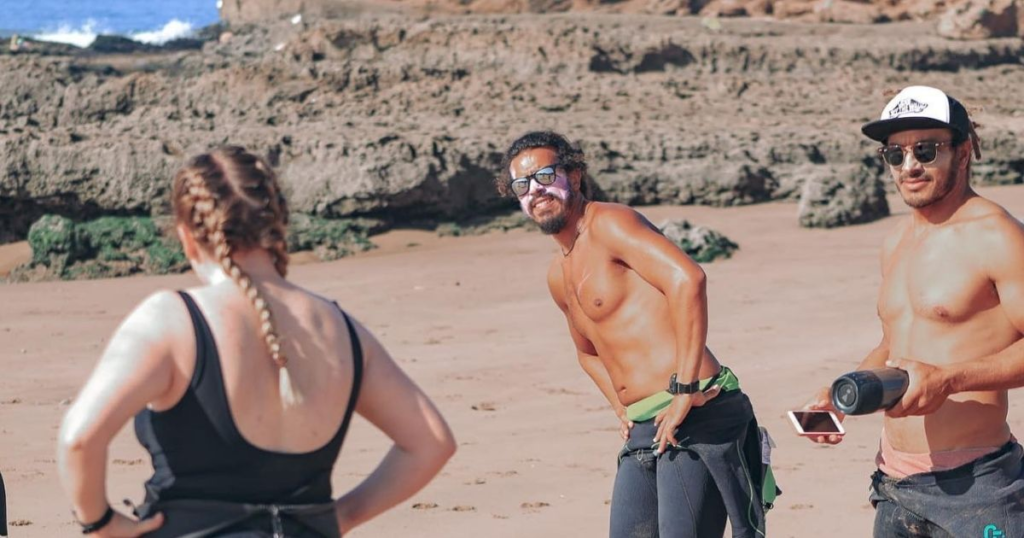
The ocean offers endless excitement for those ready to ride the waves. Whether you seek a peaceful morning glide or an adrenaline-fueled session, understanding the various types of surfing helps you find your perfect match. Each discipline relies on unique board designs, local water conditions, and specific rider techniques.
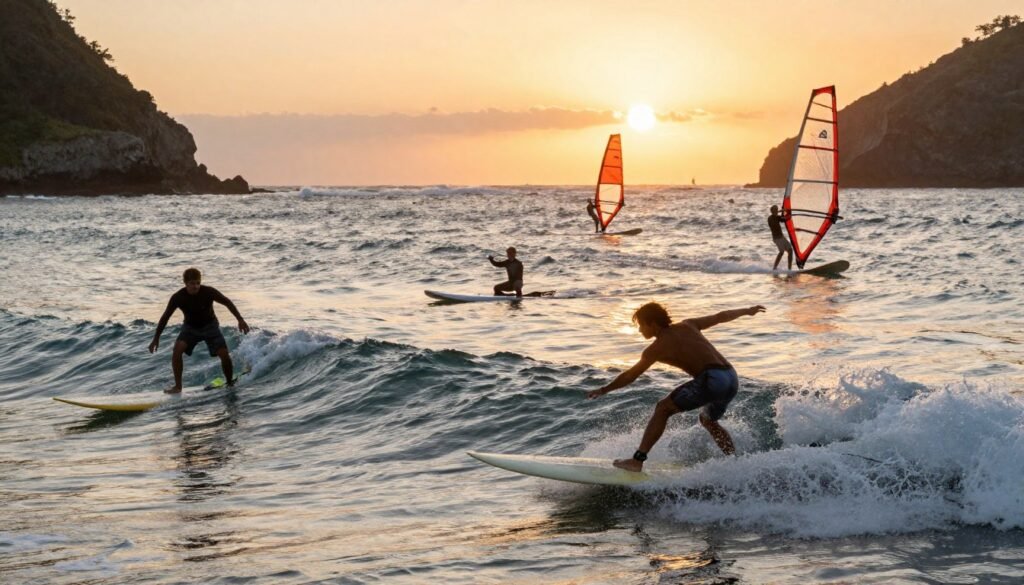
Modern surfing styles vary based on the energy source that creates movement. You might choose traditional wave riding, wind-powered sports, or the innovative world of hydrofoil boards. Selecting the right path depends on your personal fitness goals and the environment near your home.
This guide will help you compare these exciting options. We will explore how to identify a starting point that aligns with your skills and local conditions. Get ready to discover which method best suits your adventurous spirit.
Key Takeaways
- Wave riding remains the most popular way to enjoy the ocean.
- Board design significantly impacts your ability to maneuver in different water conditions.
- Wind-powered options provide a unique challenge for those seeking speed.
- Hydrofoil technology allows riders to glide above the water surface.
- Your choice should reflect your current fitness level and local wave quality.
The Main Types of Surfing Explained
From riding massive waves to gliding on calm water, surfing has evolved into a multifaceted discipline. Understanding the various types of surfing allows you to choose the equipment and style that best matches your personal goals and local ocean conditions.
Shortboarding
Speed, turns, and performance-focused wave riding
Shortboarding is the most common style for those seeking high-energy maneuvers. These boards are typically under seven feet long, allowing for rapid acceleration and sharp, aggressive turns on the face of the wave.
Longboarding
Gliding, nose riding, and traditional surf style
Longboarding focuses on the art of the glide and fluid movement. With boards usually nine feet or longer, riders enjoy increased stability and the ability to catch smaller, slower waves with ease.
“Surfing is the most blissful experience you can have on this planet, a taste of heaven.”
John McCarthy
Big Wave Surfing
Specialized equipment, wave selection, and essential preparation
This extreme discipline requires immense courage and specialized gear, such as tow-in jet skis and inflatable vests. Athletes must master precise wave selection and undergo rigorous physical training to survive the immense power of giant swells.
Bodyboarding and Bodysurfing
How each style uses the body and wave differently
These methods rely on the rider’s direct connection to the water. While bodyboarding uses a small foam board for buoyancy, bodysurfing involves using only your own body and hand-planes to navigate the energy of the wave.
Stand-Up Paddle Surfing
Board stability, paddle technique, and small-wave access
Stand-up paddle surfing offers a unique vantage point by using a long paddle for propulsion. The extra volume in these boards provides excellent stability, making it a fantastic way to explore coastal areas or catch small, rolling waves.
Foil Surfing
How a hydrofoil lifts the board above the water
Foil surfing represents the cutting edge of modern wave riding. By attaching a hydrofoil to the bottom of the board, the rider is lifted above the surface, reducing drag and allowing for a smooth, silent ride even in choppy conditions.
- Shortboarding: Best for high-performance turns.
- Longboarding: Ideal for relaxed, traditional style.
- Foil Surfing: Perfect for efficiency and speed.
Wind-Powered Surf Sports
While traditional surfing relies on the power of breaking waves, wind-powered sports harness the breeze to glide across the water. These disciplines allow riders to enjoy the ocean even when the surf is flat or inconsistent. By utilizing natural gusts, athletes can achieve incredible speeds and explore vast stretches of coastline.
Kitesurfing
Using a kite for lift, speed, jumps, and directional control
Kitesurfing is a high-energy sport that uses a large, steerable kite to pull a rider across the water on a board. The kite acts as a powerful engine, providing lift for massive jumps and high-speed maneuvers. Riders maintain directional control by adjusting the kite’s position and using the board’s edges to carve through the water.
Windsurfing
Combining a board with a sail for powered riding
Windsurfing involves standing on a board that is directly connected to a sail via a universal joint. This setup allows the rider to harness the wind’s energy to plane across the surface with efficiency. It is a classic sport that rewards balance and precise sail handling to navigate changing wind conditions.
Wing Foiling
How a handheld wing works with a foil board
Wing foiling is a modern innovation that pairs a handheld, inflatable wing with a specialized foil surfing board. The wing provides the power, while the hydrofoil beneath the board lifts the rider above the water’s surface. This creates a sensation of flying, offering a smooth and silent ride even in choppy conditions.
How Wind-Powered Sports Differ From Wave Surfing
Wind, launch areas, lessons, and equipment requirements
Unlike wave surfing, which depends on swell direction and tide, these sports require consistent wind to function. You will need specific launch areas that are clear of obstacles to safely deploy kites or wings. Beginners should always seek professional lessons to understand safety protocols and equipment handling.
| Sport | Primary Power | Equipment | Skill Level |
|---|---|---|---|
| Kitesurfing | Large Kite | Harness & Board | Intermediate |
| Windsurfing | Rigged Sail | Mast & Board | Beginner-Friendly |
| Wing Foiling | Handheld Wing | Foil Board | Advanced |
How Waves and Water Conditions Shape Surfing Styles
Every surf spot offers a unique personality shaped by the geography beneath the surface. These physical features dictate the rhythm of the ocean, which in turn influences the surfing styles you can practice. By understanding these variables, you can better match your equipment to the specific wave conditions of the day.
Beach Breaks, Point Breaks, and Reef Breaks
The seafloor acts as the architect of every wave. Depending on the bottom composition, the water will break in distinct ways:
- Beach Breaks: These occur over sandy bottoms. They are often shifting and unpredictable, making them excellent for practicing versatile surfing styles.
- Point Breaks: Here, waves wrap around a headland or point of land. These spots typically produce long, consistent rides that are perfect for longboarding.
- Reef Breaks: Waves break over coral or rock formations. These often create powerful, hollow waves that demand higher skill levels and are popular for shortboarding or foil surfing.
Wave Size, Shape, Speed, and Direction
The physical characteristics of a wave determine which board is most effective. A steep, fast-breaking wave requires the maneuverability of a shortboard to navigate the pocket. Conversely, smaller, slower waves are ideal for longboards or stand-up paddleboards, allowing you to glide with ease.
Direction also plays a major role in your session. A wave that peels consistently to the left or right allows you to plan your turns and speed control. When the wave conditions are fast and hollow, bodyboarding becomes a fantastic way to experience the intensity of the barrel safely.
How Tides, Wind, and Currents Affect a Session
Even the best surf spot can change dramatically throughout the day. Tides are perhaps the most critical factor, as they alter the depth of the water over the reef or sandbar. A spot that is perfect at high tide might become dangerous or unrideable when the tide drops.
Wind is another vital element that dictates the quality of the surface. Offshore winds groom the waves, creating clean faces, while onshore winds often make the water choppy and difficult to navigate. Finally, always be aware of currents, such as rip currents, which can pull you away from your desired takeoff zone. Monitoring these environmental factors ensures you stay safe while maximizing your time in the water.
How to Choose the Right Surfing Style
Selecting your ideal surfing style is the first step toward a lifetime of ocean enjoyment. With so many types of surfing available today, it is natural to feel a bit uncertain about where to begin. Exploring different surfing styles allows you to find the perfect match for your physical abilities and personal interests.
Which Types of Surfing Are Best for Beginners?
If you are new to the water, focusing on stability and ease of use is essential. Starting with equipment that provides a high level of buoyancy helps you build confidence quickly. This approach makes beginner surfing much more rewarding and less frustrating during those first few sessions.
Why longboarding, bodyboarding, and stand-up paddle surfing can be approachable
These three disciplines are widely considered the most accessible entry points for newcomers. Longboarding offers a stable platform that makes catching smaller waves much easier than on shorter boards. Bodyboarding allows you to get comfortable with ocean movement without the immediate pressure of standing up. Meanwhile, stand-up paddle surfing provides a great vantage point to read the water while improving your core balance.
Equipment and Conditions to Consider
Your success on the water depends heavily on matching your gear to the environment. You must account for local wave conditions to ensure you are not overwhelmed by the power of the ocean. Taking the time to assess your surroundings will keep you safe and help you progress faster.
Matching board size, water temperature, fitness, and local conditions
Choosing the right board size is critical, as larger boards provide more float and stability for learners. You should also consider the water temperature, as wearing the correct wetsuit prevents fatigue and keeps you in the water longer. Finally, be honest about your current fitness level and choose a beach that matches your skill set.
Choosing Between Wave-Powered and Wind-Powered Sports
Deciding between traditional wave riding and wind-powered activities depends on your personal goals. While wave surfing relies on the natural energy of the ocean, sports like kitesurfing require an understanding of wind patterns and technical gear. Consider the following comparison to help guide your decision.
Considering learning goals, available beaches, and preferred pace
If you prefer a calm, meditative pace, traditional surfing is often the best choice. If you enjoy high-speed thrills and technical challenges, wind-powered sports might be more appealing. Always check if your local beaches allow for wind-powered equipment, as regulations vary significantly across the United States.
| Style | Primary Power | Learning Curve | Best For |
|---|---|---|---|
| Longboarding | Ocean Waves | Moderate | Relaxed Cruising |
| Bodyboarding | Ocean Waves | Easy | Safety & Fun |
| Kitesurfing | Wind | Steep | High-Speed Thrills |
| Stand-Up Paddle | Human/Wave | Easy | Core Fitness |
Surfboard Shapes and Equipment for Each Style
From the board under your feet to the leash on your ankle, every piece of gear serves a specific purpose. Understanding the variety of surfboard types available is the first step toward a successful session. Quality surf equipment not only improves your performance but also ensures you stay safe while learning the ropes.
Shortboards, Longboards, Funboards, and Soft-Top Boards
If you are interested in shortboarding, you will likely use a board that is thin, narrow, and highly maneuverable. These boards allow for sharp turns and speed, but they require significant balance and skill. Conversely, longboarding relies on boards with high volume and length, providing excellent stability for beginners and those who enjoy a relaxed ride.
Funboards act as a bridge between these two extremes, offering enough volume to catch waves easily while remaining agile enough for progression. For those just starting, soft-top boards are the gold standard. They provide maximum buoyancy and safety, making them the most forgiving option for your first few sessions.
Bodyboards, Paddleboards, and Foil Boards
Beyond traditional surfing, other disciplines require specialized gear. Bodyboards are designed for a prone riding position, offering high flotation and a low center of gravity that makes them perfect for heavy shore breaks. Meanwhile, stand-up paddle surfing utilizes large, wide boards that provide a stable platform for standing and using a paddle to navigate.
For those seeking a futuristic experience, foil surfing involves a board equipped with a hydrofoil wing beneath the surface. This setup lifts the board out of the water, reducing drag and allowing for a smooth, silent ride even in small or choppy conditions. Each of these options changes how you interact with the ocean’s energy.
Wetsuits, Leashes, Fins, and Other Essential Gear
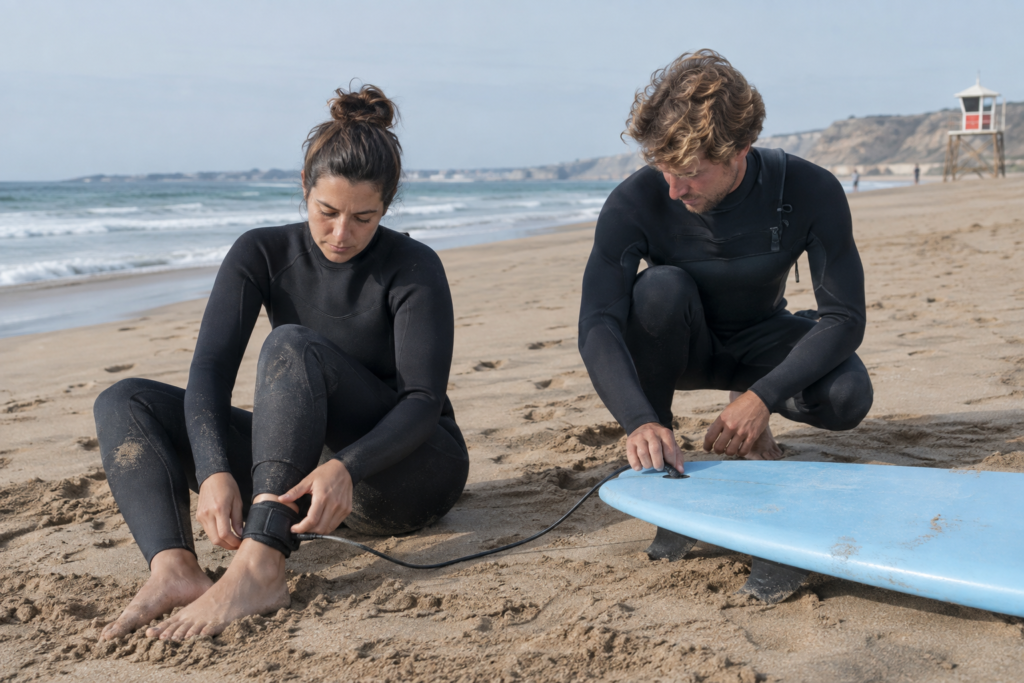
Your comfort and safety depend on the right accessories. A well-fitted wetsuit is vital for maintaining body temperature in cold water, allowing you to stay in the ocean longer. Leashes are equally important, as they keep your board attached to you, preventing it from becoming a hazard to others in the lineup.
Fins provide the necessary grip and control to steer your board through turns. Choosing the right fin configuration can drastically change how your board feels under your feet. By investing in reliable surf equipment, you ensure that your time in the water is both productive and enjoyable, regardless of your chosen style.
Surfing Safety Before You Enter the Water
Mastering the water starts long before you catch your first wave. Developing a strong safety mindset is the most important step for any surfer, whether you are a beginner or an experienced rider. By preparing properly, you ensure that your time in the ocean remains fun and injury-free.
Learning Surf Etiquette and Right-of-Way Rules
Understanding surf etiquette is vital for maintaining harmony in the lineup. The most basic rule is that the surfer closest to the peak of the wave has the right of way. Always look both ways before paddling into a wave to ensure you are not dropping in on someone else.
Respecting other surfers helps prevent collisions and keeps the atmosphere friendly. Never snake or paddle around others to steal their position in the rotation. Following these simple social guidelines creates a safer environment for everyone in the water.
Recognizing Rip Currents, Shallow Reefs, and Changing Conditions
The ocean is a dynamic environment that can change in an instant. Before entering the water, take a few minutes to observe the waves from the shore. Look for signs of rip currents, which often appear as calm channels of water moving away from the beach.
Be aware of hidden hazards like shallow reefs or submerged rocks that might become dangerous as the tide shifts. If the wind picks up or the swell size increases, be honest about your ability to handle the new conditions. Staying observant is your best defense against unexpected trouble.
Using the Correct Safety Gear and Knowing Your Limits
Your choice of surf equipment should always match your skill level and the current surf conditions. A proper leash is essential to keep your board attached to you, preventing it from becoming a hazard to others. If you are interested in big wave surfing, you must invest in specialized gear and seek professional training.
Always know your physical limits and do not hesitate to stay on the beach if the waves are beyond your current capability. Honest self-assessment is the hallmark of a smart surfer. By respecting your boundaries and using the right tools, you can enjoy the sport for many years to come.
Skills That Transfer Across Different Types of Surfing
Whether you are on a longboard or a foil, certain fundamental skills remain the key to your success in the water. Developing these core abilities is essential for your long-term surf progression, regardless of the specific equipment you choose to ride.
Paddling, Balance, Positioning, and Wave Selection
Paddling is the most vital skill for any surfer, as it dictates your ability to reach the lineup and catch waves. Efficient paddling requires a rhythmic stroke and proper body alignment on the board to minimize drag.
Balance and positioning are equally critical when waiting for a set. You must learn to read the ocean to anticipate how wave conditions will evolve, ensuring you are in the right spot before the peak arrives.
Turning, Trimming, and Controlling Speed
Once you are up and riding, the way you manage your board changes based on the types of surfing you practice. On a longboard, trimming involves walking the deck to find the “sweet spot” for smooth, gliding turns.
In contrast, shortboarding and foil surfing require more aggressive weight shifts to generate speed and execute sharp maneuvers. Mastering these techniques allows you to maintain momentum even when the wave conditions become challenging or inconsistent.
How Cross-Training Can Improve Surf Performance
To excel in various types of surfing, you should look beyond the beach for physical preparation. Activities like yoga and Pilates are excellent for building the core strength and mobility needed for quick pop-ups and deep turns.
Swimming and high-intensity interval training help improve your cardiovascular endurance, which is vital for long sessions. By incorporating these exercises into your routine, you will notice a significant boost in your confidence and ability to adapt to the ocean’s ever-changing energy.
Consistent cross-training acts as a catalyst for your surf progression. It prepares your body to handle the physical demands of the sport, allowing you to focus on the joy of the ride rather than your fatigue.
Getting Started with Your First Surf Lesson.
Stepping onto the sand for your first surf lesson marks the beginning of an incredible aquatic adventure. While the ocean can seem intimidating, professional guidance helps you navigate the waves with confidence. A structured approach ensures you learn the fundamentals of beginner surfing in a controlled environment.
What to Expect Before and During the Lesson
Your session typically begins on the beach with a brief introduction to ocean conditions and surf safety. Instructors will explain how to read the waves and identify potential hazards like rip currents. You will then practice the “pop-up” technique on the sand to build muscle memory before entering the water.
Once in the ocean, your instructor will guide you through paddling and positioning. They will help you time your movements so you can catch your first wave successfully. Supervised practice is the core of these lessons, allowing you to receive immediate feedback on your balance and stance.
How to Choose a Qualified Surf School and Instructor
Selecting the right school is vital for a positive experience. Look for instructors who hold certifications from recognized organizations like the International Surfing Association (ISA). A qualified teacher should possess deep local knowledge of the beach and maintain clear, beginner-friendly communication styles.
Check online reviews to ensure the school prioritizes small group sizes. A lower student-to-instructor ratio means you get more personalized attention. Always verify that the school provides high-quality surf equipment that is appropriate for your skill level.
What to Bring and What to Wear
Most schools provide the necessary gear, but you should arrive prepared. Wear a comfortable swimsuit or board shorts that stay secure in the water. If the water is cool, the school will likely provide a wetsuit to keep you warm during your surf lessons.
Don’t forget to apply water-resistant sunscreen before you head out. Bringing a reusable water bottle is also a smart idea to stay hydrated after your session. Having the right surf equipment, such as a soft-top board, makes learning much easier and safer.
How to Practice Safely Between Lessons
Consistency is the secret to improvement, but you must always prioritize surf safety. Practice your paddling and balance in shallow water where you can easily touch the bottom. Avoid crowded areas until you have mastered basic control of your board.
Always observe the ocean for a few minutes before entering to understand the current patterns. If you feel tired or overwhelmed, it is perfectly fine to head back to the shore. Remember that every session is a chance to grow, so keep your goals realistic and enjoy the process.
Where to Try Different Surfing Styles in the United States
The United States offers a diverse range of coastal environments perfect for testing out various surfing styles. Choosing the right destination depends on your skill level, the type of board you plan to use, and the specific wave conditions you hope to encounter.

Beginner-Friendly Beaches on the East Coast
The East Coast is famous for its sandy bottoms and gentle, rolling waves, making it an ideal place for beginner surfing. Locations like Cocoa Beach in Florida or the Outer Banks in North Carolina provide long, forgiving rides that help newcomers build confidence.
These areas often feature surf schools that operate right on the sand. Before heading out, always check the local surf spots USA reports to ensure the swell is manageable for your current ability.
Consistent Learning Conditions on the West Coast
If you are looking for reliability, the West Coast is hard to beat. From Southern California to the Pacific Northwest, the consistent swell patterns allow surfers to practice their technique with regularity.
Beaches in San Diego or Santa Cruz offer a variety of breaks that cater to both longboarders and shortboarders. Because the wave conditions can change quickly, it is vital to observe the water for a few minutes before paddling out.
Warm-Water Options in Hawaii, Florida, and the Gulf Coast
For those who prefer to avoid thick wetsuits, warmer climates provide a more comfortable experience. Hawaii remains the spiritual home of the sport, offering everything from mellow Waikiki rollers to challenging reef breaks.
Florida and the Gulf Coast also provide warm water, though the surf is often smaller and more seasonal. When planning your trip, consider factors like beginner surfing accessibility, parking availability, and the proximity of rental shops.
Always remember that the best surf spots USA are those where you feel safe and comfortable. Take the time to research seasonal weather patterns and local etiquette to ensure your time in the water is both fun and productive.
Progressing From Beginner to Advanced Surfing
Advancing your skills in the surf is a rewarding process that transforms how you interact with the ocean. True surf progression is not about rushing to the smallest board possible, but about mastering the fundamentals that allow you to handle diverse conditions with ease.
Building Confidence With Repetition and Better Wave Reading
Confidence in the water comes from logging hours and learning to anticipate how waves break. By spending time in the lineup, you begin to recognize patterns in swell direction and tide changes, which helps you position yourself more effectively.
Repetition is the secret ingredient to muscle memory. When you practice your pop-up and stance repeatedly, these movements become instinctive, allowing you to focus on the wave rather than your feet. Developing a keen eye for wave reading ensures you catch more rides and spend less time struggling against the current.
When to Move From a Soft-Top to a More Specialized Board
Many beginners feel an urge to switch to a hard board too early. However, the best time to transition is when you have achieved consistent control and can reliably navigate through the lineup without endangering yourself or others.
Consider moving to a more specialized board only when your current soft-top feels like a limitation to your turning ability. If you are consistently catching waves and trimming down the line, you might be ready for a board that offers more responsiveness. Always prioritize safety and local conditions over the desire to look like a pro.
Setting Realistic Goals for Performance, Distance, or Adventure
Defining clear surfing goals will keep your sessions focused and enjoyable. Whether you want to master the art of longboarding to enjoy smooth, graceful rides or you are aiming to transition into shortboarding for high-performance maneuvers, having a target helps you track your growth.
Your goals might also be centered on adventure, such as traveling to new breaks or simply increasing your paddle distance to reach outer reefs. Remember that every surfer moves at their own pace. By setting milestones that align with your personal interests, you ensure that surfing remains a lifelong passion rather than a source of frustration.
Finding a Surfing Community and Making the Sport a Habit
Building a lasting relationship with the ocean requires more than just a board and a wetsuit. It involves finding your place within the surfing community and developing a routine that keeps you coming back to the water with excitement.
Joining Local Surf Clubs, Lessons, and Group Sessions
Connecting with others is one of the fastest ways to improve your skills and stay motivated. By participating in surf lessons or joining local clubs, you gain access to valuable feedback from experienced mentors.
Group sessions provide a sense of accountability that is hard to find when surfing alone. These environments offer safer learning opportunities, as you are surrounded by people who can help you navigate changing conditions and build confidence in the lineup.
Respecting Local Surfers, Beaches, and Marine Life
A healthy surfing community relies on mutual respect and shared values. Practicing proper surf etiquette is essential for maintaining harmony in the water and ensuring that everyone has a fair chance to catch waves.
Always be mindful of local access rules and the environment around you. Protecting marine life and keeping our beaches clean demonstrates that you are a responsible participant who cares about the future of the sport.
Keeping Surfing Enjoyable Through Every Season
Developing a consistent surfing habit means learning to adapt to the changing seasons. When the weather turns cold or the waves become challenging, focus on setting flexible goals that keep you engaged without adding unnecessary pressure.
Invest in the right gear, such as a high-quality wetsuit, to stay comfortable during winter months. You can also maintain your fitness through cross-training, which ensures you are ready for the next swell regardless of the time of year.
Remember that the goal is to enjoy the process of learning and growing. By planning your sessions realistically and staying open to new experiences, you will find that surfing becomes a rewarding part of your life for years to come.
Conclusion
The ocean offers a vast playground for those ready to explore different types of surfing. Whether you prefer the classic glide of longboarding or the high-speed thrill of foil surfing, the water holds a unique experience for every person.
Selecting the right surfing styles depends on your personal fitness, local wave conditions, and your comfort with specific equipment. You might find joy in the wind-powered excitement of kitesurfing or the rhythmic flow of bodyboarding. Each path requires patience and a commitment to learning the fundamentals of safety.
Begin your journey by booking a lesson with a certified instructor at a reputable school like Surfline or a local beach club. Professional guidance helps you build confidence while you master the basics of wave reading and board control. Focus on small, steady improvements to ensure your time in the water remains fun and sustainable.
Embrace the learning process as you discover which surfing styles match your personality and goals. Consistent practice turns a new hobby into a lifelong passion. Grab your gear, respect the marine environment, and enjoy the ride as you become part of the global surfing community.
FAQ
What are the best types of surfing for someone just starting out?
If you are new to the water, longboarding, bodyboarding, and stand-up paddle surfing (SUP) are the most approachable options. Longboarding provides a stable platform that makes finding your balance easier, while a soft-top board—like the iconic Wavestorm—is often the go-to choice for beginners at surf schools. Bodyboarding is also a fantastic way to learn how to read wave direction and timing without the challenge of standing up immediately.
How do beach breaks, point breaks, and reef breaks affect my surf session?
The geography of the ocean floor determines how a wave breaks. Beach breaks, such as those found at Huntington Beach, occur over shifting sandbars and are often unpredictable. Point breaks, like the famous long peelers at Malibu, create consistent, long rides. Reef breaks, common in Hawaii at spots like Pipe, break over rock or coral; these offer powerful shapes but require more advanced experience to navigate safely.
What is the main difference between shortboarding and longboarding?
Shortboarding is designed for high-performance maneuvers, speed, and sharp turns on steeper waves. In contrast, longboarding is all about the “soul” of the sport, focusing on gliding, trimming, and traditional techniques like nose riding. Most surfers start with a longboard or a funboard to build paddling strength before transitioning to a more technical shortboard from brands like Channel Islands or Lost Surfboards.
How do wind-powered sports like kitesurfing and wing foiling differ from traditional surfing?
Traditional surfing relies entirely on the energy of a breaking wave. Wind-powered sports, such as kitesurfing, windsurfing, and the rapidly growing wing foiling, use the wind as their primary energy source. While you can ride waves with a kite or a handheld wing, these disciplines allow you to travel at high speeds across flat water and perform massive jumps, often utilizing a hydrofoil to lift the board entirely above the surface.
What essential gear do I need for my first surf lesson?
Beyond the board, you will need a high-quality wetsuit from a reputable brand like O’Neill or Rip Curl to keep you warm and protected from rashes. Other essentials include a leash to keep your board attached to your ankle, fins for directional control, and plenty of reef-safe sunscreen. Most qualified surf schools will provide the heavy equipment, but having your own well-fitting gear ensures maximum comfort.
Is big wave surfing something anyone can try?
Big wave surfing is a highly specialized discipline that requires years of preparation, elite fitness, and specialized equipment like inflatable safety vests and heavy-duty boards. Locations like Maverick’s in California or Jaws in Maui are strictly for professionals and experts. For most enthusiasts, the goal is to master wave selection and positioning in standard conditions before even considering larger swells.
Why is surf etiquette and the “right-of-way” so important?
Surf etiquette is the set of unwritten rules that keeps everyone safe in a crowded lineup. The person closest to the peak of the wave generally has the right-of-way. Respecting these rules, as well as being aware of rip currents and local tides, prevents collisions and ensures a friendly atmosphere. Always respect the local community and marine life when visiting famous spots like Cocoa Beach or Waikiki.
How can cross-training help me improve my surfing performance?
Since surfing involves short bursts of intense energy, cross-training that focuses on core strength, mobility, and cardiovascular health is vital. Activities like yoga improve balance, while swimming builds the paddling endurance needed to get past the break. Many surfers also use specialized skateboards, like a Carver surf-skate, to practice turning and controlling speed on land.