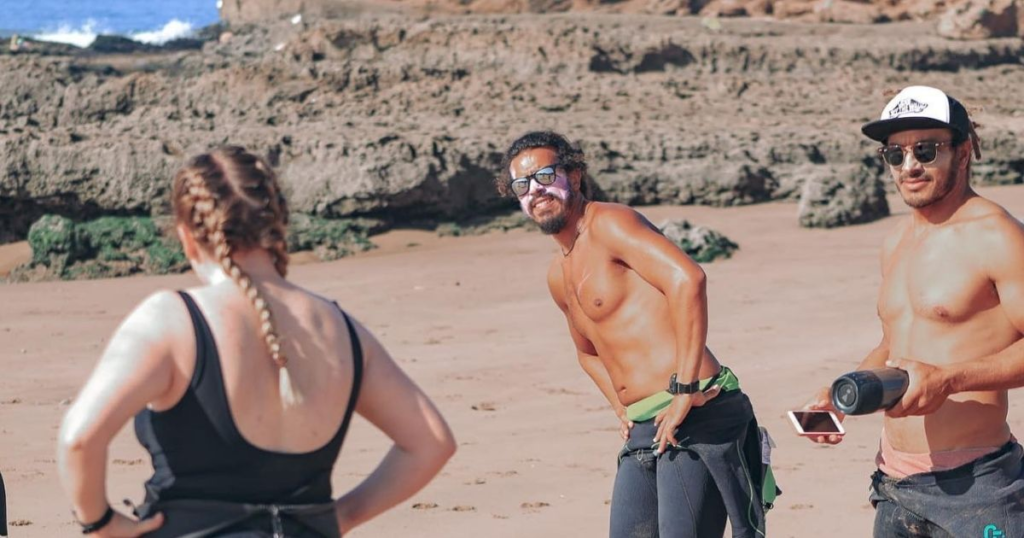
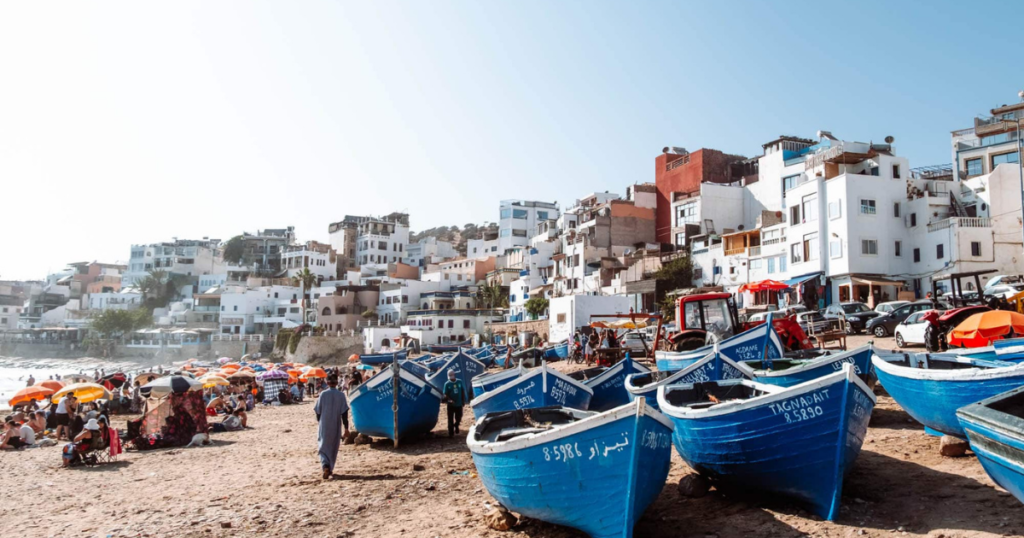
Welcome to the sun-drenched shores of North Africa, where the Atlantic Ocean meets a vibrant coastal culture. Planning a Morocco surf trip offers an incredible blend of world-class waves and authentic local hospitality.
Whether you are chasing long right-handers or seeking a relaxed atmosphere, this region provides the perfect backdrop for your next adventure. Our Taghazout Surf Guide is designed to help you navigate the coastline with confidence and ease.
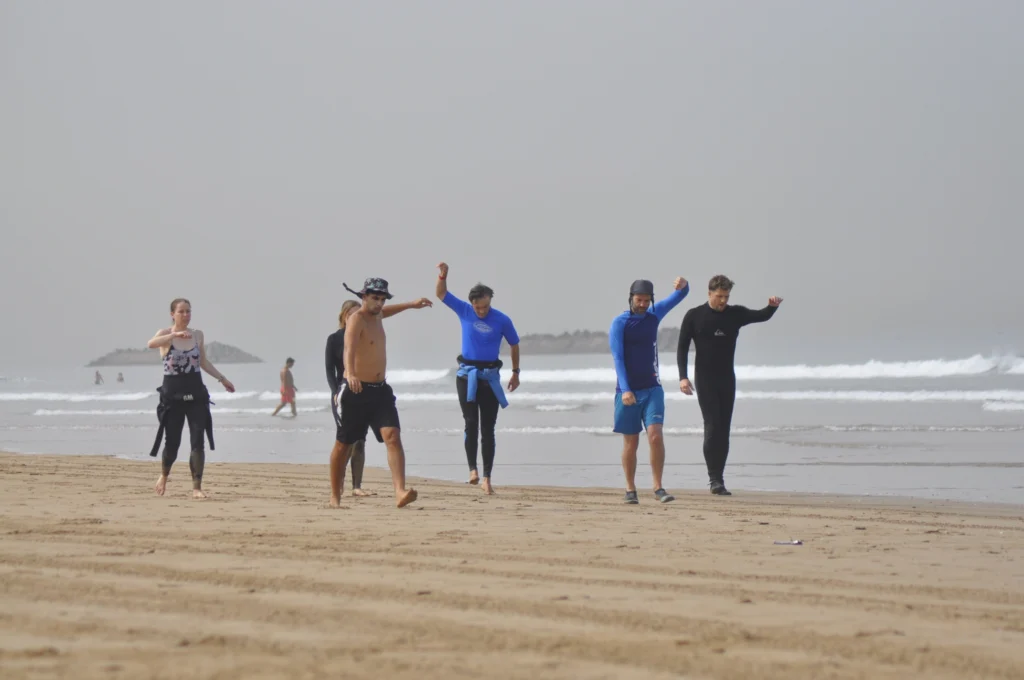
We cover everything from selecting the best breaks to finding the right accommodation for your skill level. You will learn how to balance time in the water with the rich traditions of the local villages.
By following these tips, both beginners and seasoned pros can organize a seamless journey. Get ready to experience the magic of the desert meeting the sea.
Key Takeaways
- Discover the best seasonal windows for catching consistent Atlantic swells.
- Learn how to choose between local camps and private rentals for your stay.
- Understand essential safety tips for navigating various reef and point breaks.
- Explore the unique cultural etiquette to respect while visiting coastal villages.
- Find practical advice on gear rentals and local transportation options.
Why Taghazout Is a Great Surf Destination
Nestled along the rugged Atlantic coast, Taghazout stands out as a world-class hub for surf enthusiasts. This charming fishing village has transformed into a premier Taghazout surf destination, drawing travelers who crave both adventure and relaxation. Whether you are chasing massive winter swells or gentle summer rollers, the region offers something for everyone.
What Makes Taghazout’s Atlantic Coast Special
The geography of this coastline is truly unique. The orientation of the shore captures consistent swells generated by North Atlantic storms, ensuring that waves are almost always present. This reliability is a major reason why surfers return year after year.
Beyond the waves, the landscape features dramatic cliffs and golden sandy beaches. You will find a variety of Taghazout surf spots that cater to different styles, from long, peeling point breaks to punchy beach peaks. The sheer diversity of the coastline allows you to find a wave that matches your personal ability.
How Taghazout Combines Consistent Waves With Moroccan Culture
Surfing here is more than just a sport; it is an immersive cultural experience. After a long session in the water, you can enjoy the warm hospitality of the local Berber people. The village atmosphere is laid-back, making it easy to connect with fellow travelers and locals alike.
You should take time to enjoy the local lifestyle, which includes:
- Savoring traditional tagine dishes after a morning surf.
- Relaxing in local cafes with a glass of sweet mint tea.
- Exploring the vibrant markets and colorful streets of the village.
Taghazout Surf Guide for Beginners
If you are new to the sport, this area is an excellent place to start your journey. The combination of professional instruction and forgiving conditions makes learning both safe and fun. Many schools operate directly on the sand, providing easy access to the ocean.
Why Gentle Beach Breaks Are Ideal for Learning
Beginners thrive in areas with sandy bottoms rather than sharp reefs. These gentle beach breaks allow you to practice your pop-up without the fear of hitting rocks. The waves here are typically soft and rolling, giving you plenty of time to find your balance.
What First-Time Surfers Should Expect in the Water
When you head out for your first lesson, expect a structured approach to safety and technique. Instructors will guide you through the basics of paddling, board positioning, and standing up. You will likely spend your first few sessions in the “whitewater,” which is the broken foam of the wave.
It is important to remember that the ocean is a dynamic environment. You should always listen to your instructor, as they understand the daily conditions of the various Taghazout surf spots. With the right guidance, you will quickly gain the confidence needed to enjoy your time in the water.
Best Surf Spots in Taghazout
Navigating the surf spots in Taghazout requires a bit of local knowledge to ensure you find the right wave for your skill level. The coastline is famous for its long, peeling point breaks that attract surfers from all over the globe. Whether you are a seasoned pro or a confident intermediate, understanding the nuances of each break is essential for a successful session.
Taghazout Surf Guide to Anchor Point
Wave Character, Skill Level, and Best Conditions
Anchor Point Taghazout is arguably the most famous wave in Morocco. It is a world-class right-hand point break that offers long, hollow sections for those who can handle the speed. This spot is strictly for advanced surfers due to the heavy takeoff and the rocky entry.
The best conditions occur during a solid North-West swell. When the tide is mid-to-low, the wave really comes alive, providing rides that can last for hundreds of yards.
Taghazout Surf Guide to Killer Point
What Advanced Surfers Need to Know About the Reef Break
Killer Point Taghazout is another heavy hitter that demands respect. It is a long, powerful reef break that requires a bit of a paddle to reach the lineup. You will find that the wave offers a steep drop followed by a fast, performance-oriented wall.
Because it is a reef break, you should be comfortable with rocky bottoms and potential currents. It is best suited for experienced surfers who want to push their limits in consistent, high-quality surf.
Taghazout Surf Guide to La Source
Why La Source Works Well for Intermediate Surfers
The La Source surf spot is a fantastic alternative when the bigger points are too crowded or too intense. It is named after the freshwater spring that bubbles up near the shore. This break is generally more forgiving, making it a favorite for intermediate surfers looking to practice their turns.
It works best on a mid-tide and provides a fun, punchy right-hander. While it can get busy, the vibe is often more relaxed than at the major point breaks.
Taghazout Surf Guide to Hash Point
How Local Crowds and Tide Affect the Session
Hash Point Taghazout is located closer to the village and is known for being a bit more fickle. It is a shorter, more technical wave that can be quite fun when the swell is smaller. However, it is highly sensitive to the tide and can close out quickly if the conditions are not perfect.
Because of its proximity to town, it often attracts a local crowd. Always observe the lineup for a few minutes before paddling out to understand the current flow.
Taghazout Surf Guide to Panorama and Other Local Spots
Panorama Beach, Banana Point, Devil’s Rock, and Crocro Beach
If you are looking for variety, the area offers several other gems. Panorama Beach is excellent for those who want a slightly easier paddle and a fun, long right-hander. Banana Point and Crocro Beach are great for intermediate progression, while Devil’s Rock offers a punchy reef break that can be very rewarding.
How to Choose a Break Based on Swell Direction and Ability
Choosing the right spot depends on your comfort with reef breaks versus beach breaks. Always check the swell direction, as some spots favor North-West swells while others handle West swells better. If you are unsure, consult with a local surf shop or instructor to match the daily conditions with your current ability.
| Surf Spot | Difficulty | Wave Type | Best Tide |
|---|---|---|---|
| Anchor Point | Expert | Point Break | Mid-Low |
| Killer Point | Advanced | Reef Break | Mid-High |
| La Source | Intermediate | Reef/Point | Mid |
| Hash Point | Intermediate | Point Break | Mid-High |
| Panorama | Beginner/Int | Beach/Point | All Tides |
When Is the Best Time to Surf in Taghazout?
Finding the best time to surf Taghazout is essential for catching the waves of your dreams. While the region enjoys a mild climate year-round, the ocean conditions shift dramatically between seasons. Understanding these patterns helps you align your trip with your personal surfing goals.
Taghazout Surf Guide for Winter Surfing
North Atlantic Swells, Water Temperatures, and Wind Patterns
Winter is the peak season for experienced riders seeking world-class waves. During this time, powerful North Atlantic swells hit the coast, creating consistent and challenging conditions. Taghazout winter surfing is famous for its long, peeling right-hand point breaks that test even the most seasoned surfers.
Water temperatures remain comfortable, usually hovering around 65°F (18°C), so a 3/2mm wetsuit is typically sufficient. You will find that offshore winds are common, which helps groom the waves into perfect shapes. However, be prepared for larger swells that can occasionally close out smaller spots.
Taghazout Surf Guide for Summer Surfing
Smaller Waves, Warmer Weather, and Morning Surf Conditions
If you prefer a more relaxed pace, summer offers a different experience. The waves are generally smaller and more manageable, making it a great time for those who want to enjoy the sun. Taghazout winter surfing is intense, but summer provides a mellow vibe with warmer air temperatures.
The best strategy during these months is to hit the water early. Morning surf conditions are often glassy before the afternoon thermal winds pick up. This is the perfect window to enjoy longboard sessions or practice your turns in a laid-back environment.
Best Time for Beginners to Surf in Taghazout
How Tide, Wave Height, and Crowd Levels Shape Learning Conditions
Beginners often find success by focusing on tide and crowd levels rather than just the calendar. Low tide can expose rocks at some spots, so high or mid-tide is usually safer for those still learning. Smaller wave heights during the shoulder seasons provide a gentle introduction to the sport.
What to Pack for Different Seasons
Packing correctly ensures you stay comfortable regardless of the weather. In winter, bring a quality wetsuit and a windbreaker for the cooler evenings. During summer, pack plenty of sunscreen, a rash guard, and light clothing for the warm Moroccan sun.
| Season | Wave Size | Crowd Level | Best For |
|---|---|---|---|
| Winter | Large/Powerful | High | Advanced Surfers |
| Spring | Moderate | Medium | All Levels |
| Summer | Small/Fun | Low | Beginners/Longboarders |
| Autumn | Moderate | Medium | Intermediate |
Taghazout Surf Lessons and Surf Camps
Whether you are a total beginner or looking to refine your technique, the local surf scene offers plenty of options. Finding the right support is essential for mastering the waves in Morocco. With so many providers available, knowing how to pick the best fit will ensure you have a safe and productive time in the water.
Taghazout Surf Guide to Choosing Surf Lessons
When you start looking for Taghazout surf lessons, you should prioritize quality over price. A good instructor makes a world of difference in how quickly you progress and how much fun you have.
How to Compare Instructors, Group Sizes, and Safety Standards
Always check the credentials of the surf school. Look for instructors who are certified and have extensive knowledge of the local Atlantic coastline. Smaller group sizes are generally better, as they allow for more personalized feedback and attention.
- Instructor-to-student ratio: Aim for a ratio of 1:4 or lower for beginners.
- Safety protocols: Ensure the school provides life vests if needed and has a clear emergency plan.
- Teaching style: Read reviews to see if the school focuses on fun or technical progression.
Taghazout Surf Guide to Surf Camps
If you want a fully immersive experience, Taghazout surf camps are an excellent choice. These camps handle the logistics so you can focus entirely on your surfing and relaxation.
Choosing Between a Relaxed Camp, Intensive Coaching, and a Social Stay
Different camps cater to different vibes. Some are designed for those who want a laid-back holiday, while others are built for athletes looking to push their limits.
| Camp Type | Best For | Focus |
|---|---|---|
| Relaxed | Couples/Solo travelers | Yoga and chill |
| Intensive | Serious learners | Video analysis |
| Social | Groups/Young travelers | Nightlife and events |
What Is Included in Taghazout Surf Lessons?
Most packages are designed to be all-inclusive, but it is vital to verify the details before you pay. Knowing exactly what you are getting prevents unexpected costs during your trip.
Board Rental, Wetsuit Rental, Transportation, Coaching, and Insurance
A standard package usually covers the essentials. You should expect your booking to include:
- High-quality surfboard and wetsuit rental.
- Daily transportation to the best spots for your skill level.
- Professional coaching sessions.
- Basic travel or activity insurance.
Questions to Ask Before Booking a Lesson or Camp
Before you finalize your reservation, send a quick message to the provider. Ask these specific questions to avoid any surprises:
- What is your cancellation policy if the surf conditions are poor?
- Are the groups separated by ability level?
- Is there a backup plan for transportation if the van breaks down?
- Does the price include all equipment, or are there hidden rental fees?
Where to Stay During Your Taghazout Surf Trip
Finding the perfect place to stay is the first step toward an unforgettable surf trip in Morocco. Your choice of surf accommodation Taghazout will influence how easily you reach the waves and how much you enjoy the local vibe.
Best Areas to Stay for Surfing
Deciding where to stay in Taghazout depends largely on your preference for nightlife, quiet mornings, or convenience. Each area offers a unique atmosphere for visiting surfers.
Taghazout Village for Walkable Access to Restaurants and Breaks
The village is the beating heart of the surf scene. Staying here means you are within walking distance of iconic breaks and a variety of vibrant cafes and restaurants.
Tamraght for a Quieter Base Near Banana Point
If you prefer a more relaxed environment, Tamraght is an excellent choice. It sits just a short drive away from the famous Banana Point and offers a peaceful retreat after a long day in the water.
Agadir for More Amenities and Easy Airport Access
Agadir is ideal for travelers who want modern city amenities and proximity to the airport. While it requires a short commute to the main surf spots, the convenience of large hotels and shopping centers is unmatched.
Budget and Mid-Range Accommodation for Surfers
Finding the right where to stay in Taghazout option is simple once you identify your needs. Whether you are a solo traveler or with a group, there is a perfect spot for you.
What to Look for in Hostels, Surf Houses, Hotels, and Apartments
Hostels and surf houses are perfect for meeting fellow travelers and sharing experiences. Hotels and private apartments offer more privacy and comfort for those who prefer a quiet space to recharge.
Why Board Storage, Breakfast, and Transportation Matter
Always prioritize places that offer secure board storage to keep your gear safe. A hearty breakfast is essential to fuel your morning sessions, while reliable transportation services make reaching distant breaks much easier.
| Location | Vibe | Best For | Transport Needs |
|---|---|---|---|
| Taghazout Village | Social & Active | Walkability | Minimal |
| Tamraght | Quiet & Chill | Relaxation | Moderate |
| Agadir | Urban & Modern | Amenities | High |
Choosing the right surf accommodation Taghazout will ensure your trip is smooth and enjoyable. Consider your daily routine and prioritize the features that matter most to your comfort.
Things to Know Before Your Taghazout Surf Trip
Before you catch your first wave in this beautiful region, there are several practical details you should address. Proper preparation ensures that your Taghazout surf trip remains stress-free and enjoyable from start to finish.
How to Get to Taghazout From Agadir Airport
The most convenient way to reach the coast from Agadir-Al Massira Airport is by pre-arranged shuttle or taxi. Many surf camps offer airport transfers, which is often the easiest option for travelers carrying boards.
If you prefer to arrange your own transport, official airport taxis are available 24/7. Always confirm the price with the driver before you depart to avoid any confusion.
What to Pack for Surfing in Morocco
Packing for surfing in Morocco requires a balance between technical gear and casual beachwear. While the sun is strong, the Atlantic water can feel surprisingly cool depending on the season.
Wetsuit Thickness, Reef Booties, Sunscreen, and Beach Essentials
For winter months, a 3/2mm wetsuit is usually sufficient, though some surfers prefer a 4/3mm for early morning sessions. Because many breaks are rocky, reef booties are highly recommended to protect your feet from sharp surfaces.
Do not forget to pack high-quality, water-resistant sunscreen and a reusable water bottle. Here is a quick checklist for your gear:
- Wetsuit: 3/2mm or 4/3mm depending on the month.
- Footwear: Sturdy reef booties for rocky entries.
- Sun Protection: Zinc-based sunscreen and a hat.
- Essentials: A basic first-aid kit and a dry bag.

Money, Internet Access, Food, and Everyday Costs
Morocco uses the Moroccan Dirham (MAD), and cash is king in local markets. While some larger hotels accept cards, you should always carry enough cash for small cafes and local shops.
Internet access is widely available through local SIM cards, which are affordable and easy to purchase at the airport. You can expect to spend a modest amount on daily meals, especially if you enjoy local tagines and fresh fruit.
| Category | Estimated Daily Cost (USD) | Payment Method |
|---|---|---|
| Budget Meal | $5 – $10 | Cash |
| Local SIM Card | $10 – $15 | Cash |
| Surf Equipment Rental | $15 – $25 | Cash/Card |
Local Customs and Responsible Travel Practices
Respecting the local culture is a vital part of any Taghazout surf trip. Morocco is a welcoming country, but it is important to be mindful of local traditions.
How to Dress Respectfully Away From the Beach
While beachwear is perfectly acceptable on the sand, it is respectful to cover your shoulders and knees when walking through the village. Wearing modest clothing shows appreciation for the local community and helps you blend in more comfortably.
Supporting Local Businesses and Reducing Plastic Waste
You can make a positive impact by shopping at local markets and eating at family-owned restaurants. Additionally, please help keep the coastline clean by avoiding single-use plastics whenever possible.
How to Check Surf Forecasts and Local Conditions
Before heading out, always check reliable surf forecasting websites like Magicseaweed or Surfline. These platforms provide essential data on swell height, wind direction, and tide times.
Always talk to local instructors or experienced surfers at your accommodation before paddling out at a new spot. They offer the best insights into current conditions and potential hazards for your specific skill level.
How to Plan a Smooth Taghazout Surf Itinerary
Crafting the perfect Taghazout surf itinerary requires a balance between your skill level and the unpredictable nature of the Atlantic swell. While it is tempting to book every hour of your day, the best experiences often come from staying flexible. Effective Taghazout surf planning ensures you spend more time riding waves and less time worrying about logistics.
Building a Trip Around Your Surfing Ability
Your daily schedule should reflect your current experience in the water. By matching your goals to the local geography, you can avoid frustration and improve your technique much faster.
A Beginner-Friendly Plan for Lessons and Easy Beach Breaks
If you are new to the sport, focus your energy on sandy beach breaks like Panoramas or Devil’s Rock. These spots offer gentle, rolling waves that are perfect for learning the basics of standing up. Book a local surf school for your first few days to understand the fundamentals of safety and board control.
An Intermediate Plan for Exploring Taghazout’s Point Breaks
Intermediate surfers should aim to explore the famous point breaks that put this region on the map. Spend your mornings at spots like Killer Point or Anchor Point when the swell is manageable. Always check the local forecast before heading out, as these breaks can become challenging quickly.
Balancing Surf Sessions With Rest and Moroccan Experiences
Surfing is physically demanding, so you must schedule dedicated rest days to avoid burnout. Use this downtime to explore the vibrant local markets or enjoy a traditional tagine in a seaside cafe. Recovery is essential for maintaining your performance throughout the week.
How Many Days to Spend in Taghazout
Deciding on the length of your stay depends on your travel goals and how much time you want to spend in the water. A short trip can be intense, while a longer stay allows for a deeper connection with the local rhythm.
When a Long Weekend Works and When to Plan a Full Week
A long weekend is ideal if you are already in Europe or have limited vacation time. However, a full week provides the flexibility needed to wait out poor conditions or explore further along the coast.
| Trip Duration | Best For | Key Advantage |
|---|---|---|
| Long Weekend | Quick Getaways | High intensity, low planning |
| Full Week | Skill Progression | Flexibility for swell changes |
| Two Weeks | Deep Immersion | Time for travel and rest |
Surf Safety and Etiquette in Taghazout
Navigating the waves of Taghazout demands respect for both the ocean and the local community. While the region offers world-class waves, maintaining Taghazout surf safety is the foundation of a successful trip. By staying aware of your surroundings, you ensure a positive experience for yourself and everyone else in the water.
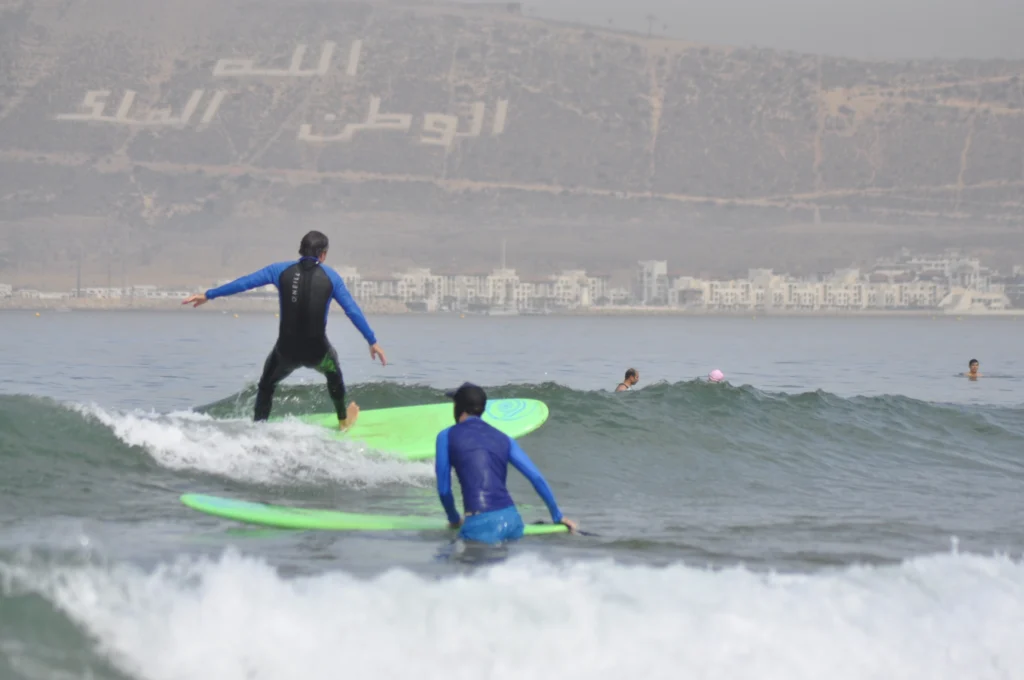
Understanding Reef Breaks, Rocks, Currents, and Changing Tides
Most famous spots in this region are reef breaks, which means the seafloor is often rocky and shallow. You should always check the surf conditions Taghazout offers before paddling out, as the tide significantly changes the depth and wave shape. Low tide can expose sharp rocks, making entry and exit points tricky.
Strong currents are common along the Atlantic coast. Always observe the water for a few minutes to identify rip currents or channels that can help you paddle out more easily. If you are unsure about the current, ask a local surfer or lifeguard for advice.
Following Right-of-Way Rules in Crowded Lineups
Crowded lineups at spots like Anchor Point require strict adherence to surf etiquette. The golden rule is that the surfer closest to the peak has the right of way. Never drop in on someone who is already riding the wave, as this is dangerous and considered disrespectful.
- Wait your turn in the rotation.
- Do not paddle around others to get to the front of the pack.
- Communicate clearly if you are unsure who has priority.
When to Skip a Session or Ask a Local Instructor for Guidance
It is perfectly fine to stay on the beach if the waves look too intimidating. If the swell size exceeds your current skill level, prioritize your safety over the urge to surf. Taghazout surf safety is about knowing your limits and acting accordingly.
If you feel overwhelmed, consider hiring a local instructor for a session. They have deep knowledge of the surf conditions Taghazout experiences daily and can guide you to safer, more suitable spots. Their expertise is an invaluable resource for any visitor.
Respecting Residents, Fellow Surfers, and the Marine Environment
Remember that you are a guest in a vibrant local community. Always treat residents and fellow surfers with kindness and patience. Keeping the beaches clean by picking up trash is a simple way to show respect for the beautiful marine environment.
“The best surfer out there is the one having the most fun, and that starts with being a respectful member of the lineup.”
Conclusion
Taghazout offers a unique blend of world-class Atlantic waves and rich local culture. You can find everything from gentle beach breaks for beginners to powerful point breaks for experts. This destination adapts to your specific skill level and travel goals.
Your ideal Taghazout surf experience depends on careful planning. Select the right season, book a reputable surf camp, and choose accommodation that fits your budget. Always check the daily surf reports to match the conditions with your personal ability.
Prioritizing Taghazout surf etiquette keeps the water safe for everyone. Respect the local residents and protect the beautiful marine environment during your stay. These small actions ensure that the coastline remains welcoming for future visitors.
Whether you plan a quick weekend getaway or a long exploration of Morocco, this village provides the perfect backdrop. Pack your board, embrace the local rhythm, and enjoy the waves. Your journey to this iconic surf hub promises memories that last a lifetime.
FAQ
When is the best time of year to plan a Taghazout surf trip?
The peak season for experienced surfers is during the winter months, specifically from December to March, when powerful North Atlantic swells hit the coast. However, for beginners and those looking for smaller waves and warmer weather, the summer months offer much gentler conditions. Autumn and spring provide a fantastic balance with consistent waves and very comfortable water temperatures.
Which surf spots in Taghazout are best for beginners?
Beginners should head toward the gentle beach breaks of Crocro Beach, Devil’s Rock, and Banana Point in nearby Tamraght. These spots offer a sandy bottom and long, rolling waves that are perfect for practicing your balance and paddling. Panorama Beach is also an excellent option when the swell is small, providing a friendly environment for those just starting out with their first surf lessons.
What should I look for when booking Taghazout surf camps or lessons?
When choosing between a social stay or an intensive coaching program, prioritize schools that offer a low student-to-instructor ratio and high safety standards. Most reputable providers, such as Surf Maroc or Surf Berbere, include board rental, wetsuit rental, and transportation to the best daily breaks in their packages. Always ask if insurance and a structured theory session are included in the price.
What thickness of wetsuit should I pack for surfing in Morocco?
For the winter season, a 3/2mm or 4/3mm wetsuit is highly recommended to stay warm during longer sessions. In the summer, a thinner 2mm shorty or even just a rash guard can be enough, though a 3/2mm is the most versatile choice year-round. Don’t forget to pack reef booties if you plan on tackling point breaks like Killer Point, along with high-SPF sunscreen to protect against the strong Moroccan sun.
How do I get to Taghazout from the airport?
The easiest way to reach the village is by flying into Agadir Al Massira Airport (AGA). From there, it is roughly a 45-to-60-minute drive. You can arrange a private transfer through your accommodation, take a grand taxi, or use a shuttle service. Many surf houses and hotels in Taghazout Village offer complimentary airport pickups if you book a week-long stay.
Is Taghazout suitable for intermediate surfers wanting to try point breaks?
Absolutely! Intermediate surfers will find La Source and Hash Point to be great stepping stones before moving on to the more world-famous breaks. Anchor Point is the crown jewel of the area, but it requires a higher skill level and an understanding of right-of-way rules and local etiquette. Always check the surf forecast for swell direction and tide times to ensure the conditions match your ability.
What are the local customs I should be aware of away from the beach?
While the atmosphere is relaxed, it is important to dress respectfully when walking through Taghazout Village or visiting local markets. Covering your shoulders and knees is a polite gesture that honors local traditions. We also encourage travelers to support the community by eating at local family-run restaurants and making an effort to reduce plastic waste by using refillable water bottles during their stay.
How many days should I spend on a Taghazout surf itinerary?
While a long weekend is great for a quick “surf escape” from Europe, we recommend a full week to truly experience the culture and account for changing wave conditions. A seven-day trip allows you to balance intensive morning surf sessions with rest days spent exploring the Paradise Valley or enjoying a traditional hammam in Agadir.